
In most years, my projects arrive as repositories: folders, endpoints, tests, deployments.
This year, one of them arrived as soil.
I’m starting a new venture for 2026 with little to no experience in the category—by design.
Not as an escape from software, but as a counterweight to it: a way to build a more diverse set of ventures, and to learn with my hands what I usually learn with my keyboard.
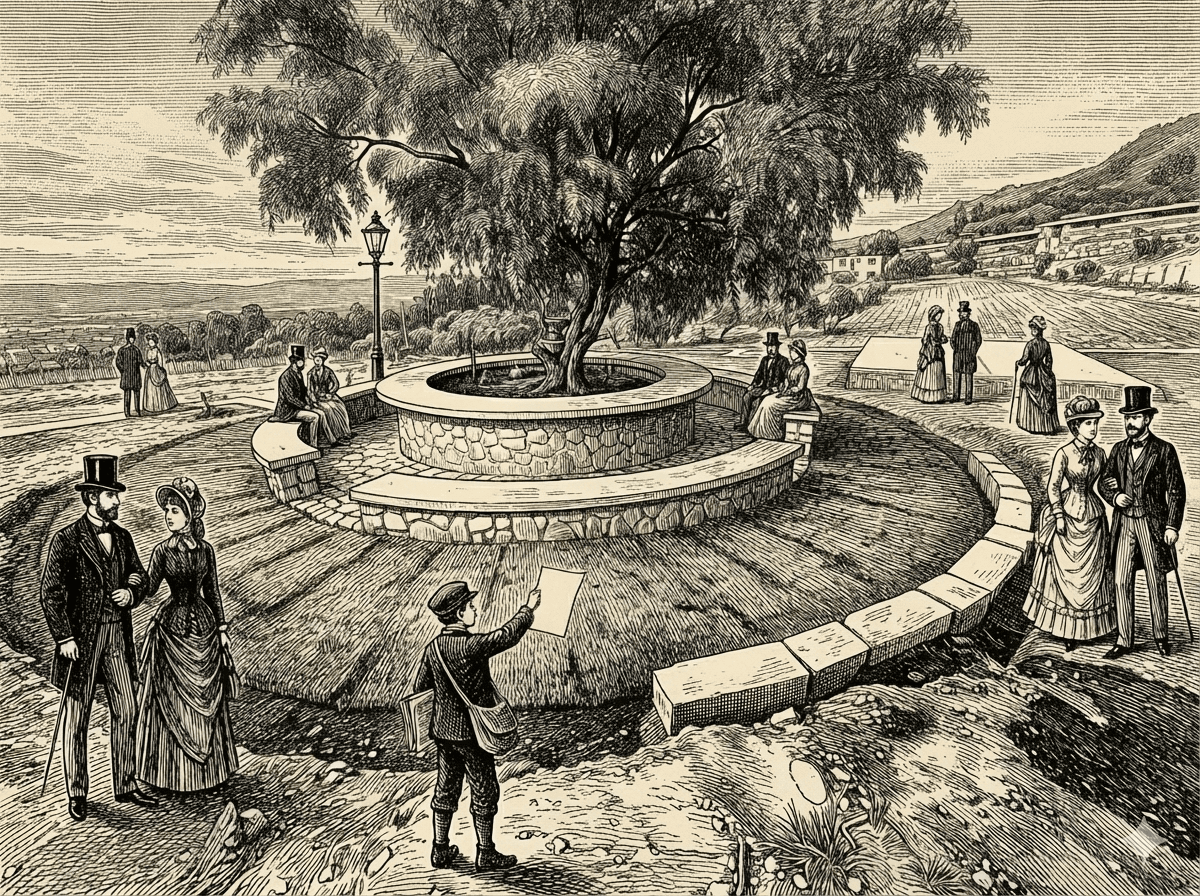
The premise is simple, almost reckless in its simplicity:
A piece of land, meant first to become a future home.
And, in the meantime, a place to host small events of different natures—bringing home a few experiences I once saw abroad, and wished existed locally:
quiet celebrations, carefully staged birthdays, and movie nights that feel like stepping into another world for a few hours.
If the Chronicle is a newspaper, this is the part where the editor admits the truth:
I do not yet know what this place will become.
So I am doing the only honest thing—running experiments.
The first experiment: capacity and atmosphere
The first trial was not meant to impress.
It was meant to answer two plain questions:
- How many people can we support comfortably?
- Can we create a believable atmosphere with simple decorations?
Comfort is practical—chairs, paths, lighting, wind, pacing, restrooms, and the invisible art of not making guests feel “managed.”
Atmosphere is the second half—where the light falls, how sound travels, whether the space feels safe to linger in, and whether the scene has a point of view.
So we staged a small rehearsal: not a grand opening, but a controlled test.
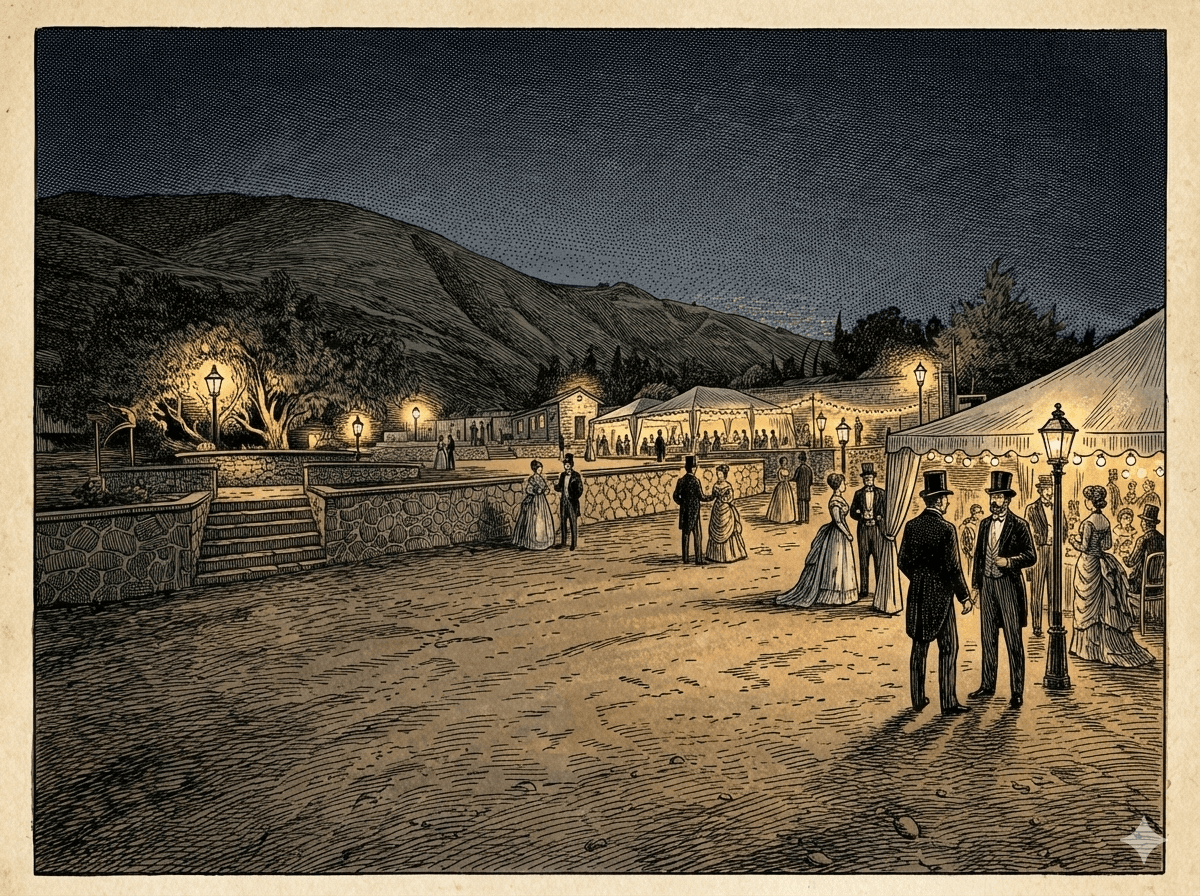
Observations worth keeping (and measuring again)
I’m treating this like any other build: assumptions → test → notes → iteration.
Comfort
- Where people naturally gathered (and where they avoided)
- How much space was needed to keep conversations from colliding
- Whether walking paths stayed clear once the crowd formed
- Whether the environment encouraged lingering instead of “dropping by”
- The moment guests stopped looking for direction and started behaving like they belonged
Operations
- Setup time vs. the payoff of each decorative element
- The smallest set of items that creates a “scene”
- The friction points that make a host tired before guests even arrive
- What can be standardized (checklists) vs. what must stay bespoke (taste)
Atmosphere
- Lighting that flatters vs. lighting that exposes
- The way shadows and stone make the place feel older—in a good way
- How music competes with conversation (or supports it)
- The difference between a venue and a story you can stand inside
Why now
Part of the reason I’m doing this in 2026 is the same reason I’m documenting it publicly:
AI is compressing the cost of writing code.
Not to zero—but enough that “I can build it” is no longer the rarest sentence in the room. More people will ship more software, faster.
That changes the center of gravity.
When code gets cheaper, the advantage moves toward what code cannot substitute:
- Understanding the system (where value actually flows)
- Taste (what feels right to humans)
- Operations (what still works at 11:47 PM when something breaks)
- Distribution (how people find you and why they return)
- Trust (what you consistently deliver, not what you promise)
A physical venture makes those truths impossible to ignore.
You can’t prompt your way out of a bad layout. You can’t automate your way out of poor flow.
The “runtime environment” is weather, fatigue, family schedules, local culture, and real human expectations.
And that is precisely why it belongs here.
A system, not a scene
This land project is not only “hosting events.” It is a system with inputs and outputs:
- Inputs: time, money, attention, materials, coordination, energy
- Outputs: joy, memories, safety, comfort, novelty, repeatability
If I can learn to design that system—without burning out, without overbuilding, without turning hospitality into stress—then I’m learning something transferable to every other venture I’ll build.
Because whether it’s software or gatherings, the rule is the same:
The work that lasts is the work that is designed as a system.
What comes next
The next experiments will likely include:
- A clearer capacity benchmark (standing vs. seated vs. mixed)
- A “minimum viable atmosphere” kit (what creates magic with the least complexity)
- A rehearsal for immersive movie night (sound, projection, lighting, pacing)
- A petit birthday format (timeboxed, repeatable, elegant, not exhausting)
- A small operating manual (checklists, setup flow, teardown flow, vendor notes)
This is the first dispatch from the grounds. The lanterns are lit.
The measurements have begun.
— Diego, Editor